How Taxi Roof-Top Advertising Works
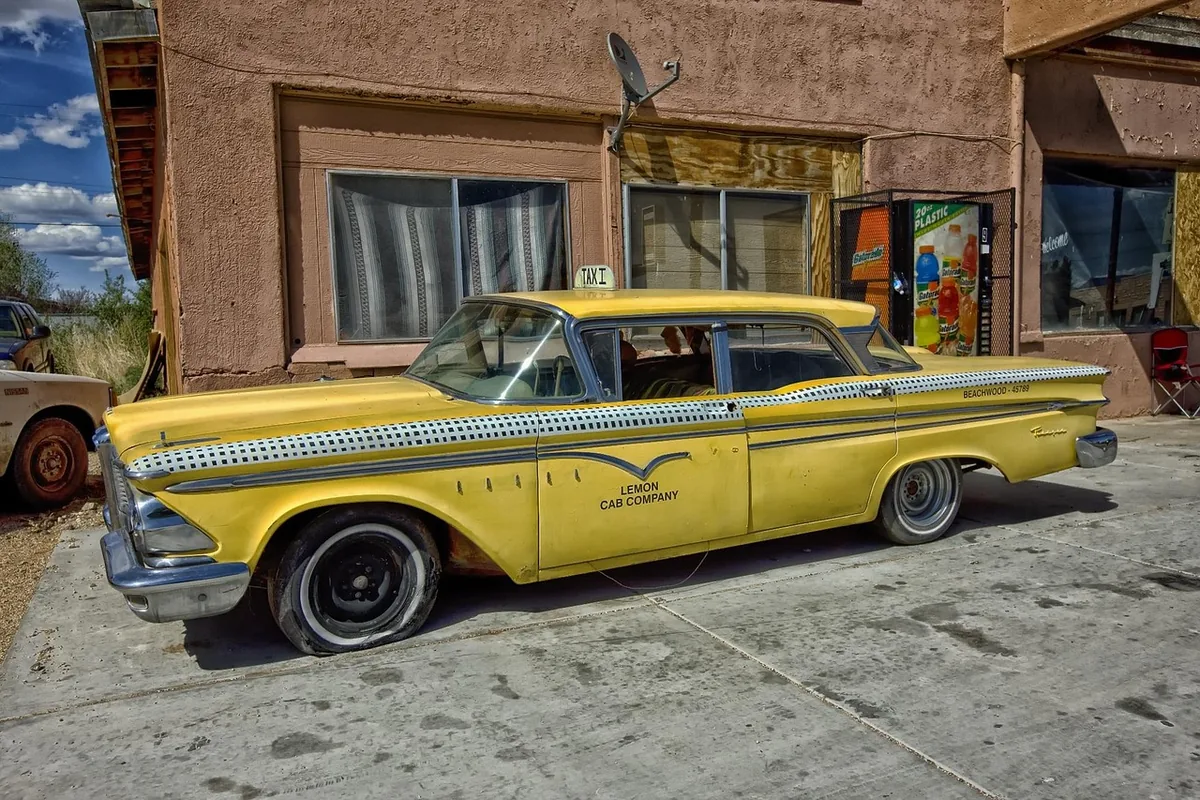
Taxi roof-top advertising places a message on top of a licensed taxi, where it can be seen by pedestrians, drivers and passengers as the vehicle moves through a city. It is one of the most mobile formats within out-of-home advertising, because the medium travels to the audience instead of waiting for the audience to pass a fixed billboard. This guide explains what the hardware is, how content reaches it, how campaigns are targeted and bought, and what makes a roof-top message effective.
What a roof-top taxi display is
A roof-top taxi display is a sign fixed to the roof of a taxi, usually centred and positioned so that it can be seen from the front, rear and sides. Traditional versions are illuminated light boxes with a printed panel lit from inside. Digital versions use a small LED screen housed in a weatherproof casing, which can show several advertisements in rotation and change content remotely.
Because the sign sits above the vehicle, it is visible from a wider angle than most street-level advertising. The taxi itself helps, too. A vehicle moving through traffic draws the eye, and a lit sign is easy to notice after dark.
Static light boxes and digital screens
Each type has a different role. Static boxes are simple and robust, and they suit longer, stable messages, since changing the printed panel requires a physical visit to the vehicle. Digital screens allow several creatives, timed changes and location-based variations, but they add considerations around hardware, power and maintenance.
Hardware, mounting and power
The roof unit is attached with a bracket system designed for the particular vehicle model, so that the fitting does not interfere with the roof structure, the taxi meter or the roof light that identifies the vehicle as a taxi. Installation is normally carried out by specialist fitters, often at a depot, and the unit is removed when a vehicle leaves the fleet.
Power comes from the vehicle's electrical system, usually through a protected circuit that switches the display on and off with the ignition or a dedicated control. Wiring is routed through the vehicle body so that cables are not exposed to weather or damage. A digital unit also needs a media player, a cellular modem for content updates and, in most cases, a GPS receiver that reports the vehicle's position.
How content reaches the screen
Digital roof-top displays are managed through a content management platform. The operator uploads creatives, assigns them to campaigns and sets rules for when and where each one should play. The media player stores the files locally and receives updates over the mobile network, so a campaign can be started or stopped without anyone touching the vehicle.
A typical delivery process follows a few steps:
- The advertiser supplies creative files that meet the technical specification of the screen.
- The operator checks the files for resolution, duration and compliance with local rules.
- The creative is scheduled against the campaign's targeting rules and pushed to the vehicles in the chosen fleet.
- Playback is logged, so the advertiser can confirm that the message ran as booked.
Location and time targeting
The defining feature of taxi advertising is that the vehicle moves. Location data lets an operator define geographic zones, often called geofences, and show specific creatives when a taxi enters or passes through them. A restaurant campaign might favour lunchtime districts, while a retail campaign might favour shopping streets on weekend afternoons.
Time-based rules work alongside location rules. Dayparting schedules content for morning commuters, evening travellers or late-night audiences. Some operators also vary creatives according to conditions such as weather, which helps a message feel relevant without being rewritten for each campaign.
Targeting on a moving medium is never exact. A taxi does not follow a fixed route, and GPS readings can be delayed or imprecise in dense urban areas. Campaigns should therefore be planned around zones and time windows rather than individual streets, and reporting should be read as an estimate of exposure, not a precise count of viewers.
Buying roof-top taxi space
Roof-top inventory is sold in several ways. Some advertisers deal directly with a media owner or fleet operator, agreeing on vehicles, zones and schedules in a negotiated contract. Others buy through a digital out-of-home marketplace, where available inventory is listed in a standard format and can be booked online. Some bookings are also made programmatically, through platforms that match a campaign's targeting criteria with available vehicles.
Programmatic booking
Programmatic booking treats each vehicle or zone as inventory that can be bought under set rules. The advantage is speed and flexibility: an advertiser sets a budget, defines the area and time window, and lets the system fill the schedule. The trade-off is that inventory data must be accurate, so that location and screen information is reliable enough for the buyer to trust.
Before committing to a campaign, it helps to check a few points:
- Which zones and times the inventory actually covers, and how that coverage is measured.
- Whether the screen is static or digital, and what resolution and brightness it uses.
- How playback is verified and reported, including proof that the creative ran.
- Any restrictions on product categories, language or imagery set by the operator or the local authority.
Designing creative for a roof
A roof-top message is seen for a short time, often from a moving car, so it needs to be understood at a glance. Clear, high-contrast layouts work best, with a single message, a large logo and very few words. Small print, detailed images and complicated offers rarely survive the distance and motion involved.
Digital screens offer more options. A sequence of two or three short frames can carry a simple story, but each frame must stand on its own, since a passer-by may see only one of them. Animation should be restrained and should never imitate traffic signals or emergency vehicles, which local rules often prohibit.
If the message cannot be read in the few seconds it takes a car to pass, it needs fewer words.
Rules and practical checks
Roof-top advertising is subject to local regulation, and the rules can differ between cities and even between licensing authorities in the same country. Common areas include the design of the taxi's roof sign, the attachment of equipment to the vehicle, lighting, driver safety and the content that may be shown. Operators and advertisers should confirm these requirements with the relevant licensing body before a campaign starts, and keep records of the vehicles and schedules involved.
Driver cooperation matters as well. Good operators explain the installation and any routine checks to drivers, make sure the display does not obstruct the vehicle's own lights or markings, and act quickly when a unit is damaged.